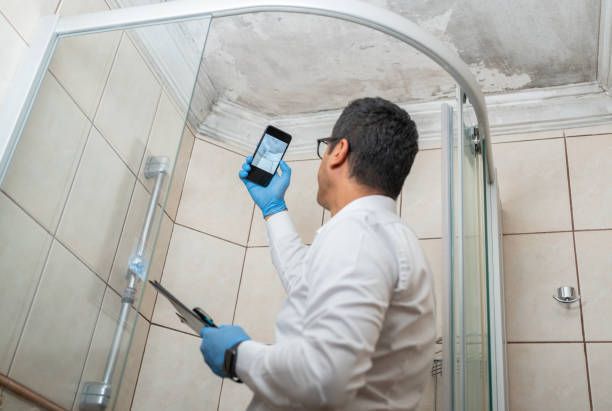
How to Choose a Professional Water Damage Restoration Company
How to Choose a Professional Water Damage Restoration Company
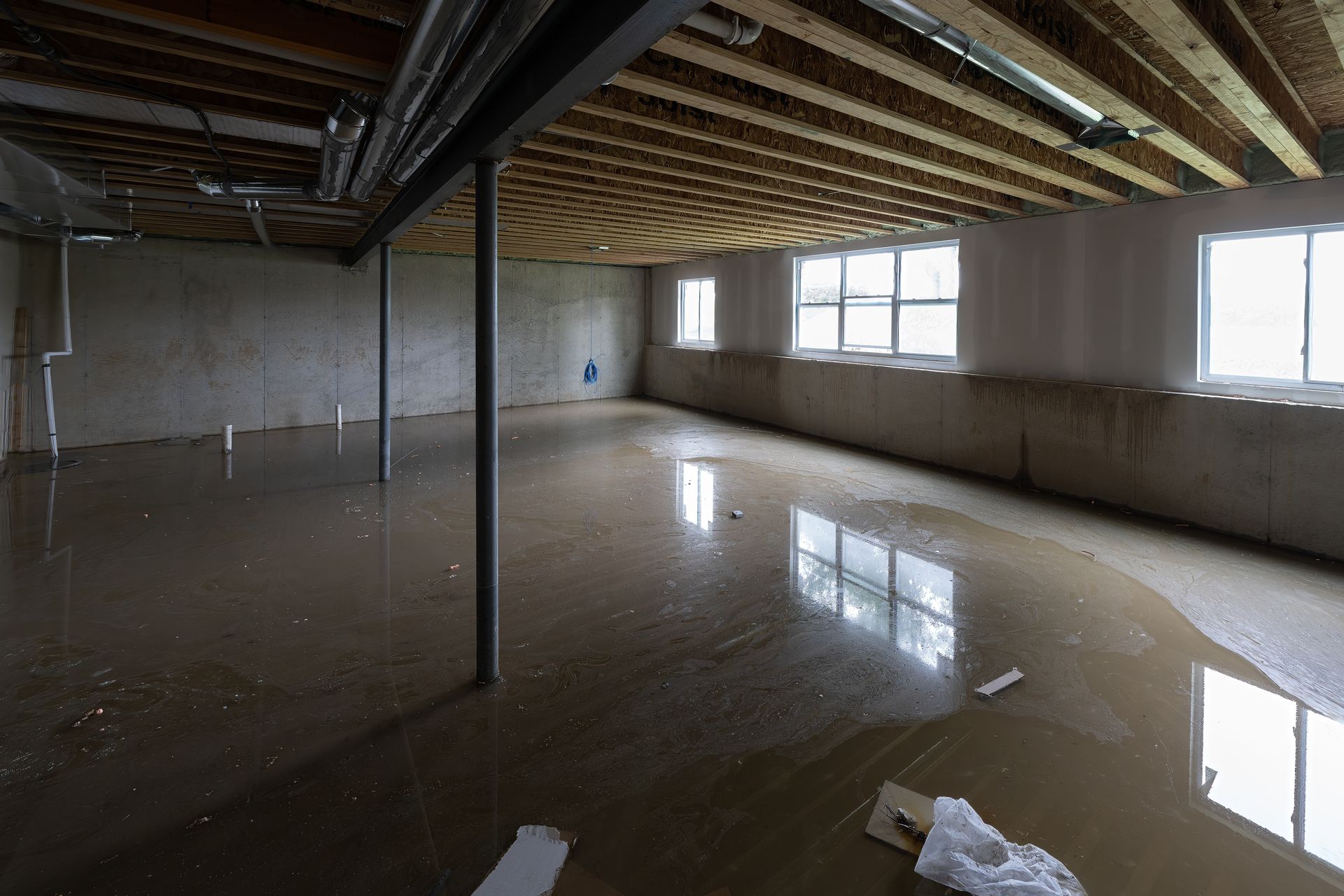
When water invades your property, swift and expert intervention by a professional water damage restoration company is crucial to mitigate immediate impacts and prevent long-lasting consequences. Unaddressed water damage can lead to structural degradation, mold proliferation, and a host of other health hazards, illustrating the paramount importance of prompt and effective restoration efforts. Choosing the right restoration partner is key to ensuring a comprehensive restoration plan is enacted, one that addresses both visible and underlying water damage with precision and expertise. Throughout this article, we will explore critical factors to consider when selecting a water damage restoration company, emphasizing the importance of industry experience, certification, response time, and customer satisfaction. By the end, you'll be equipped with the necessary knowledge to make an informed decision, ensuring your property is restored to its pre-damage condition with the utmost professionalism and care.
What Are the Common Causes of Water Damage?
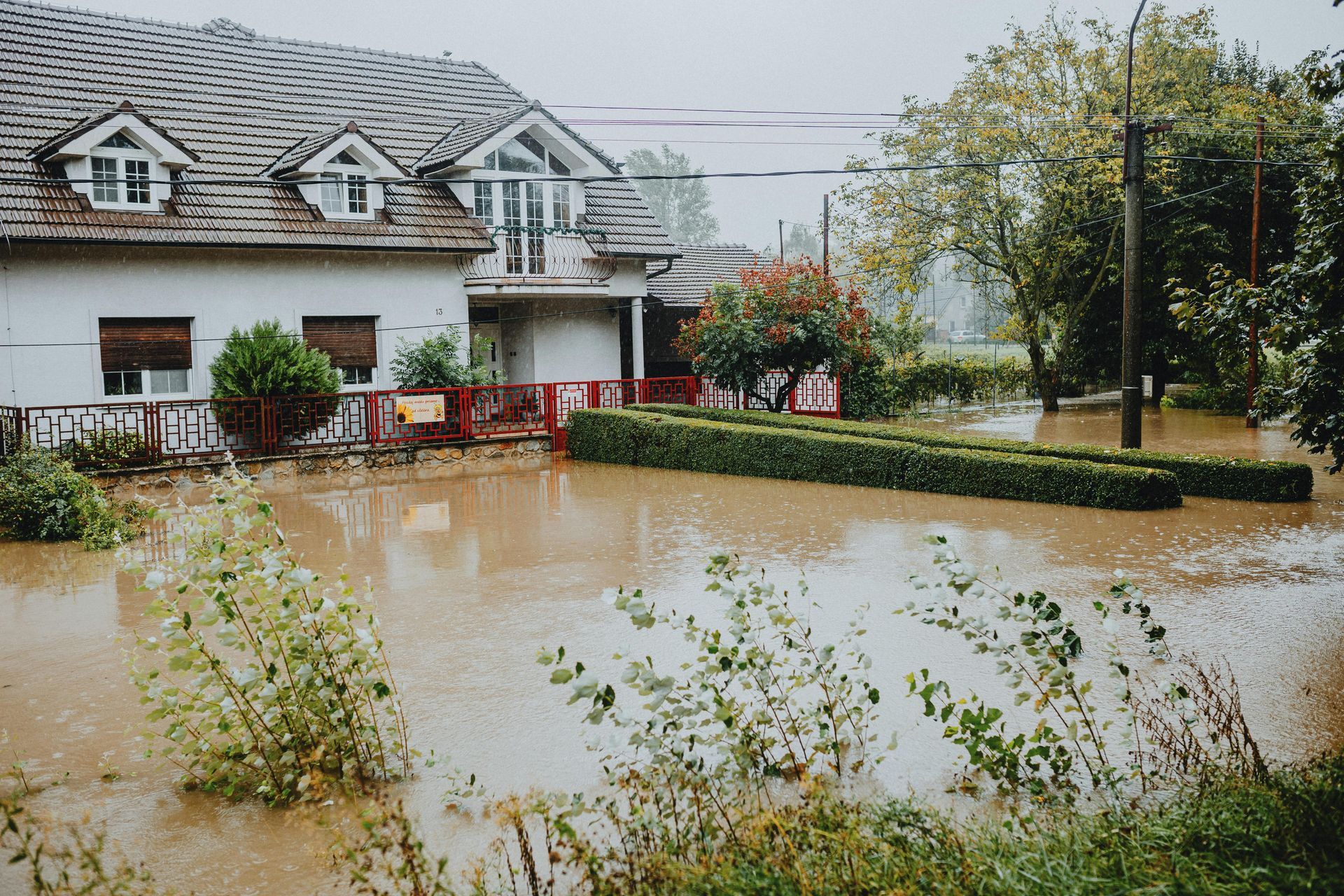
Water damage can originate from a variety of events, each necessitating expert analysis and a meticulous restoration approach. Flooding, often the most recognized cause, can result from natural disasters such as hurricanes, torrential rains, or river overflows, demanding immediate and comprehensive intervention. Leaks in the plumbing system, albeit less dramatic, are no less destructive; even minor leaks can culminate in substantial damage over time if left unaddressed. Additionally, sewage backups present not only a significant restoration challenge but also pose serious health risks, requiring specialized handling to ensure thorough sanitization and restoration.
Beyond these common culprits, water damage can also stem from unexpected sources. Appliance malfunctions, such as a dishwasher overflow or a ruptured water heater, can quickly disperse significant volumes of water, jeopardizing structural integrity and personal property. Similarly, HVAC issues, including condensation buildup or leaks, can contribute to unseen water damage, fostering mold growth and air quality concerns. Identifying the source of water damage is the first step toward crafting a tailored restoration strategy, underlining the importance of engaging with professionals equipped with the expertise and technology to diagnose and resolve such multifaceted challenges.
Consequences of Ignoring Water Damage
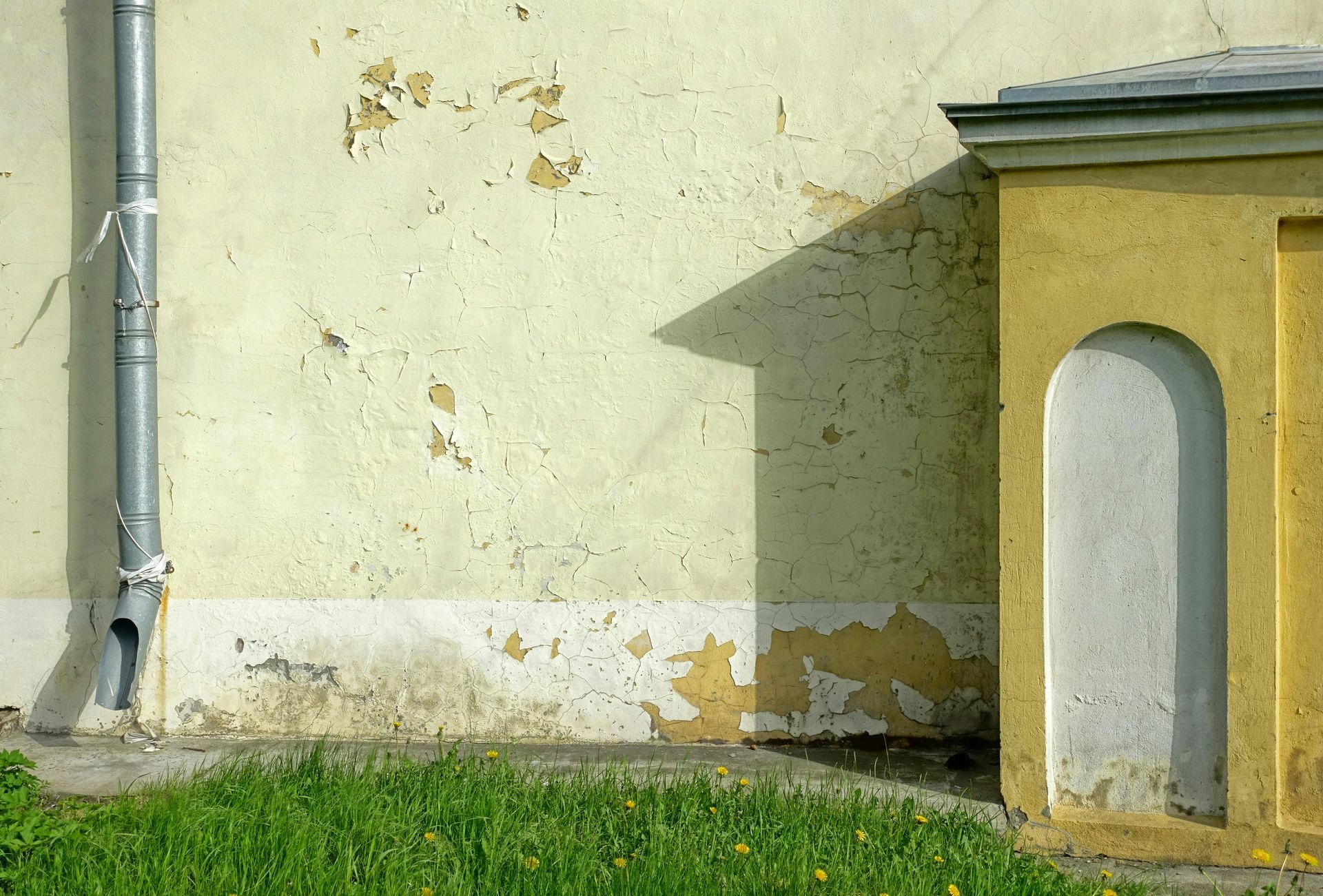
Ignoring water damage in your property can precipitate serious structural concerns and health risks, in addition to substantial financial implications. The infiltration of water, if not promptly and effectively addressed, can cause wood to rot and compromise the integrity of your property's foundation, raising red flags for potential safety hazards. Additionally, the presence of moisture creates an ideal breeding ground for mold, leading to the proliferation of spores that can exacerbate or lead to respiratory issues, allergies, and infections among occupants. From a financial perspective, unresolved water damage can significantly decrease your property's value and necessitate major restoration efforts in the future, compounding repair costs.
It is essential, therefore, to seek the expertise of a professional water damage restoration company that can thoroughly address both the visible and underlying issues with precision. Employing cutting-edge technology and adhering to the latest industry standards, such a company can ensure that your property is not only restored to its pre-damage state but that it is also safeguarded against future water-related issues, thereby protecting your health, securing your investment, and providing peace of mind.
The Qualities of a Professional Water Damage Restoration Company
Identifying a proficient water damage restoration company involves scrutinizing specific attributes that distinguish exceptional service providers. Paramount among these are extensive industry experience, comprehensive certification, prompt response capabilities, and unwavering dedication to customer satisfaction. Mastery in utilizing the latest restoration technologies and adherence to the highest safety and quality standards are also critical. Such qualities ensure that your property receives meticulous and efficient restoration, restoring safety and peace to your space.
Licensing and Certification
In the realm of water damage restoration, the importance of selecting a licensed provider cannot be overstressed. A licensed company not only demonstrates a commitment to adhering to industry standards but also ensures accountability and reliability in the services provided. Paramount among the credentials to seek is the IICRC (Institute of Inspection, Cleaning, and Restoration Certification), a hallmark of excellence within the restoration industry. This certification asserts that the company has undergone rigorous training and adheres to the best practices in restoration and cleanup services. Opting for a company imbued with such credentials guarantees you are entrusted with professionals who possess the aptitude and dedication to address your restoration needs with utmost precision and expertise.
Experience and Track Record
When seeking a professional water damage restoration company, prioritize those with multiple years of experience in the field. Such longevity typically signifies a proven track record of successful restoration projects and a deep understanding of the complexities involved. To validate a company's reputation, it's advisable to peruse online reviews and customer testimonials. These insights can be instrumental in gauging the level of satisfaction previous clients have experienced. Furthermore, asking for references provides an opportunity to interact directly with past customers, allowing for a more detailed assessment of the company's capabilities and reliability.
Modern Equipment and Techniques
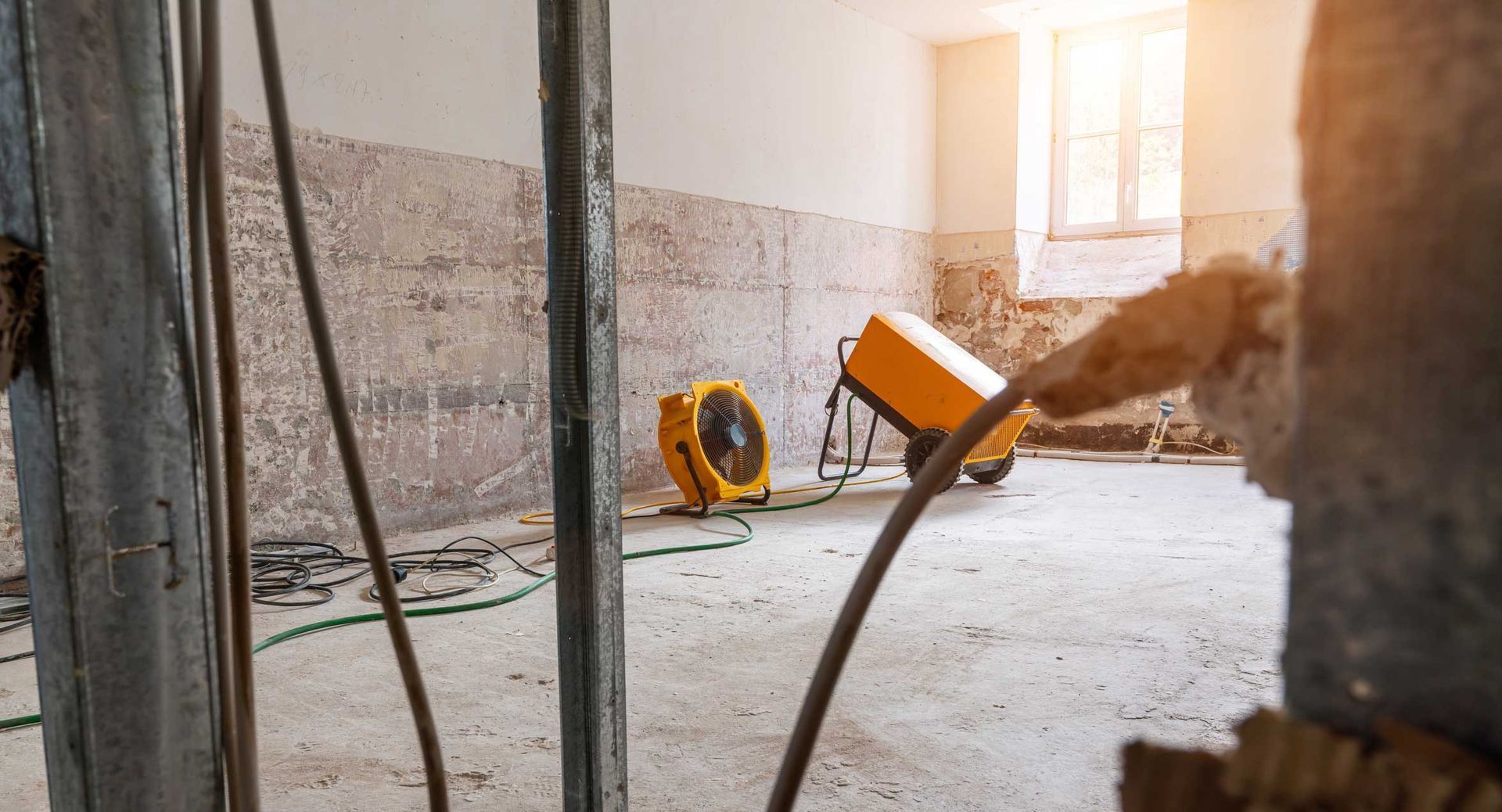
In the rapidly evolving landscape of water damage restoration, leveraging the latest technological advancements is pivotal. Modern equipment and advanced methods significantly heighten the efficacy and efficiency of restoration processes. Employing state-of-the-art moisture detection tools, high-powered water extraction units, and advanced drying systems, a professional company can ensure a comprehensive and swift resolution to water damage. These innovative techniques not only minimize the duration of the restoration process but also mitigate potential secondary damage, such as mold growth and structural deterioration. Thus, choosing a company that embraces these contemporary tools and methods is crucial for a thorough and enduring restoration outcome.
Insurance Assistance
Navigating through insurance claims while dealing with water damage can be daunting. A professional restoration company experienced in working closely with insurance firms proves invaluable in such situations. Their expertise ensures that claims are meticulously documented and all procedural nuances are adeptly handled, maximizing your compensation. When evaluating potential restoration partners, it's imperative to inquire about their experience in liaising with insurance companies. This not only streamlines the claims process but also significantly alleviates the stress of managing complex insurance requirements, allowing you to focus on restoring your property's integrity.
Steps to Choosing the Right Company
Identifying the right water damage restoration company involves a series of considered steps to ensure expertise, reliability, and quality of service. This preliminary guidance aims to simplify your selection process by focusing on crucial factors such as licensure, experience, technological proficiency, and insurance claim assistance, forming a foundational approach to safeguarding your property's integrity and value.
Initial Research
Initiating your search for a professional water damage restoration company begins with leveraging online searches, browsing through local directories, and seeking referrals from friends or family. When evaluating potential companies, vigilance is key. A reputable firm will present comprehensive contact information, customer testimonials, and detailed credentials on its website. Conversely, red flags to be wary of include an absence of verifiable contact details, predominantly negative reviews, or a lack of transparency regarding their licensing and certifications. These indicators can help you discern the commitment and professionalism of a company, ensuring you select a partner that epitomizes industry expertise and reliability.
Ask the Right Questions
When engaging with a prospective water damage restoration company, posing detailed inquiries is fundamental to substantiating their expertise and reliability. Key questions include:
- Certification and Licensing: "Do you possess the necessary licenses and certifications, particularly the IICRC certification, to operate in this field?"
- Experience: "How long has your company been providing water damage restoration services?"
- Portfolio: "Can you provide references or before-and-after photos of previous jobs to demonstrate your capabilities?"
- Insurance Claim Handling: "How experienced is your team in dealing with insurance claims and assisting clients through the process?"
- Methodology: "What advanced equipment and techniques do you deploy for water damage restoration?"
- Response Time: "What is your average response time in case of emergencies?"
These inquiries are instrumental in assessing the competence and commitment of a restoration service provider, ensuring they align with your requisite standards for restoring your property's safety and tranquility.
Get Multiple Estimates
Acquiring a minimum of three estimates is paramount when selecting a water damage restoration service. This strategic comparison encompasses not only cost considerations but also meticulous evaluations of the spectrum of services offered and projected timelines for project completion. Vigilance is advised against automatically gravitating towards the least expensive estimate. It's essential to understand that the axiom "you get what you pay for" holds substantial truth within the restoration domain. A compromise on quality can escalate into further complications, outweighing initial savings. Thus, a balanced evaluation prioritizing both cost-effectiveness and superior service quality is indispensable.
Red Flags to Avoid
When selecting a professional water damage restoration company, it is crucial to exercise caution against entities that require full payment upfront. This demand is often a glaring red flag, indicating a lack of confidence in delivering satisfactory services. Furthermore, be wary of deals that appear too good to be true, such as exceptionally low prices. These can often be lures used by less scrupulous companies to attract customers before delivering subpar service. Aggressive marketing tactics, coupled with a scarcity of genuine customer testimonials or the absence of a tangible business location, should raise suspicions about the company's legitimacy and operational integrity.
Equally important is the insistence on written agreements or contracts. A company's reluctance to provide documentation that details the scope of work, costs, timelines, and guarantees is a significant concern. Such documentation is fundamental to ensuring clarity and accountability, serving as a protective measure for both the client and the service provider. Trustworthy and reputable companies in the water damage restoration industry understand the value of transparency and professionalism, always ensuring their practices align with the highest standards of service delivery. In your quest for a reliable restoration partner, steering clear of companies that exhibit these red flags will safeguard your interests and ensure a more favorable outcome.
Making the Final Decision
Making the final decision on which water damage restoration company to choose is a pivotal moment in safeguarding your property and ensuring a thorough and trustworthy restoration process. Trusting your instincts plays a critical role in this decision-making process. After conducting thorough research and engaging in discussions with potential companies, it's imperative to select a company that not only meets the rigorous standards you expect but also feels like the right fit for your specific needs. This sense of confidence should stem from their professionalism, the clarity of communication, and their demonstrated understanding of your concerns.
Additionally, to protect your interests and ensure a clear agreement on the scope of work, timelines, and costs, insist on having all agreements documented in writing. This written contract acts as a safeguard, providing you with a tangible assurance of the company's commitment to delivering high-quality restoration services and addressing any concerns that might arise during the restoration process. By combining careful, informed research with your own intuitive assessment, you can confidently choose a water damage restoration company that stands out for its expertise, reliability, and commitment to excellence, ensuring a seamless and effective restoration of your property.
Take Action: Safeguard Your Home and Health
At Northeastern Restoration, we excel in navigating the complexities of remodeling after water damage, ensuring your space is not only restored but transformed. Leveraging our extensive expertise and state-of-the-art techniques, we meticulously address every detail of water damage restoration and remodeling to safeguard your home and health. Our commitment to excellence and adherence to industry-leading standards has positioned us as a trusted partner in restoration services. By prioritizing transparency, reliability, and quality, we strive to exceed expectations at every stage of our comprehensive process, from initial assessment to the final touches of remodeling. Trust Northeastern Restoration to restore the comfort and safety of your home with precision and care. Call us today!